The History of Santa’s Elves
From Folklore to the Workshop
The history of Santa’s elves is far older than workshops and wish lists, and if there is one thing they know well, it is where they come from. They have watched centuries pass quietly, long before Santa became a familiar figure across the world, and long before their work was associated with Christmas alone.
In the old stories of the north, they were known by many proper names, shaped by language and landscape. In Norway and Denmark, they were called Nisse — small, watchful household spirits tied closely to farms, barns, and animals. In Sweden, they were known as the Tomte, guardians of the homestead who demanded respect and kindness in return for their protection. In Finland, they were called Tonttu, beings of place and purpose, bound to homes, saunas, and storehouses. Though their names differed, their nature was shared: diligent, practical, and deeply bound to tradition.
The elves themselves would say that they were never mischievous by nature, despite how later stories sometimes portray them. They were workers, caretakers, and keepers of order. They rose early, laboured quietly, and expected fairness above all else. Treat them well, and they would see that the household prospered. Forget them, mock them, or break old customs, and they would simply withdraw — or, in rarer cases, remind people of the importance of respect.
Over time, as winter festivals blended and traditions travelled, their paths became closely aligned with Santa himself. He recognised in them something familiar: a shared respect for craft, patience, and quiet responsibility. The elves did not become something new; rather, their purpose widened. What they had always done for farms and homes, they now did on a greater scale — preparing, repairing, organising, and ensuring that everything was ready when it mattered most.
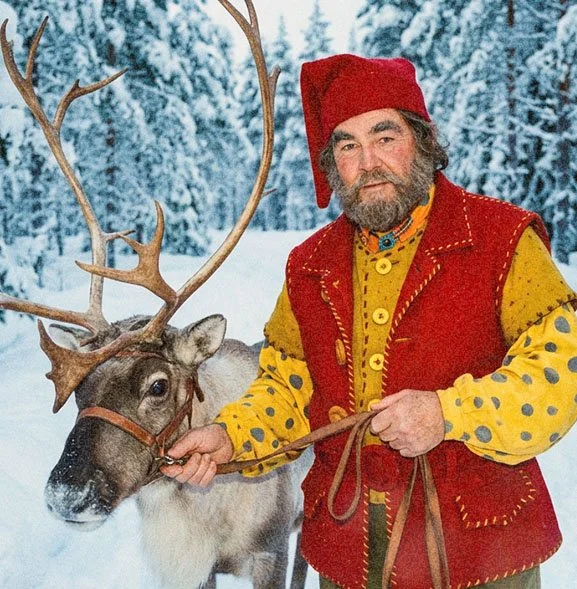
Even today, the elves would insist that their roots are not theatrical. Their clothing, their manners, and their way of working still echo those early folkloric origins. They value handmade things, careful preparation, and a rhythm that follows the seasons rather than the clock. They do not rush, and they do not seek attention. Their satisfaction comes from work done properly, often unnoticed.
When people speak of Santa’s elves now, they often imagine endless cheer and constant motion. The elves know better. They understand that magic lasts because it is grounded in tradition. It survives because it is built slowly, maintained faithfully, and passed on with care. The old names — Nisse, Tomte, Tonttu — are not relics to them, but reminders of who they have always been.
And if asked, the elves would say this: long before they helped Santa, they helped people endure winter. Long before they became symbols of Christmas, they were guardians of warmth, order, and continuity. Their work has always been the same. Only the world around them has changed.
From the Arctic wilderness,
Anders - Senior Elf